


Essential Moroccan Spice Mix | A Chef’s Guide to Flavour
Essential Moroccan Spice Mix | Quick 5-Minute Pantry Staple

The enticing scent of Moroccan Spices
If your weeknight dinners are feeling a little uninspired, this Essential Moroccan Spice Mix is the foundational pantry staple you need to turn things around. I still vividly remember the first meal I made as a first-year apprentice: a vibrant Moroccan chicken wrap loaded with peppery rocket, creamy Persian feta, sharp red onion, and semi-dried tomatoes. It was a straightforward lunch, but the impact was massive. Roasting off those marinated chicken thighs released an aroma so earthy and warm that the restaurant staff were suddenly doing laps past my station, tongues wagging, looking for scraps and offcuts. It all came down to this precise, golden ratio of spices, and today, I am showing you exactly how to build it.
The Culinary Context & History:
North African cuisine is globally renowned for its mastery of spice. Unlike the heavy, fiery heat often associated with other regional curries, Moroccan profiles focus heavily on warmth, aromatics, and profound depth. The foundation of these profiles lies in the ancient spice routes, where ingredients like cinnamon and ginger were traded and integrated with native earthy elements like cumin.
While many associate Moroccan cooking with the highly complex “Ras el Hanout” (which translates to “head of the shop” and can contain over 30 different spices), home cooking and quick line service require a more streamlined workhorse. This Essential Moroccan Spice Mix captures the core identity of the cuisine without demanding an entire afternoon of roasting and grinding obscure seeds.
Other Foodie Suggestions:
- Use this spice mix to build the marinade for my Hearty Honey & Lime Moroccan-Spiced Chicken
- Serve your spiced proteins alongside my Fluffy Orange Couscous (with Pine Nuts & Goji Berries)
Tasting Notes:
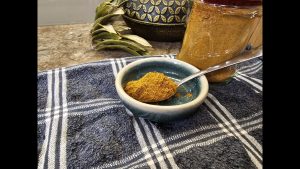
- Appearance: A vibrant, uniformly blended golden-brown powder with a distinctly yellow hue.
- Aroma: Deeply earthy and warm, with sharp citrus notes and a sweet, floral undertone.
- Texture: A fine, dry powder that easily coats proteins and vegetables.
- Flavour: Robust and savoury. The earthiness of the cumin is immediately cut by the bright coriander, followed by the warming heat of ginger and a rounded finish of cinnamon.
- Mouthfeel: When properly bloomed in oil, it creates a rich, heavily spiced coating that clings to the palate without being gritty.
Tips, Variations & Troubleshooting:
🔥 THE FACTS: The Science of Blooming
Spices contain volatile, fat-soluble oils. If you simply sprinkle raw spice over wet food, you will experience a flat, dusty flavour. To unlock their true potential, “bloom” the spices by heating them gently in 20g of oil or butter for 30 seconds before adding your main ingredients. The heat rapidly extracts the flavour compounds, creating an aromatic base.
- Storage is Everything: Spices degrade quickly when exposed to oxygen and UV light. You must store this mix in a fully airtight container, kept in a cool, dark cupboard. Do not keep it right next to the stove where the ambient heat will destroy the essential oils.
- The Golden Ratio: This blend relies on the tension between the heavy, earthy cumin and the light, citrusy coriander. Always weigh your ingredients in grams to maintain this balance.
🔄 THE SWAP: Native Aussie Twists
- Cinnamon Myrtle Swap: Replace the 10g of ground cinnamon with 10g of Native Cinnamon Myrtle for a lighter, more floral spice profile.
- Aniseed Myrtle: Add 2g of Aniseed Myrtle to mimic the subtle liquorice notes often found in more complex, traditional Moroccan blends.
Troubleshooting
Flavour too flat?
- If the blend tastes weak, your base spices may have been too old before you even mixed them. Check the expiration dates on your raw ingredients. Always bloom the mix in hot fat to rescue older spices.
Troubleshooting – No Ginger?
- If you are out of ground ginger, do not panic. Omit it from the dry mix, and instead, grate a small knob of fresh ginger into your pan when you are cooking the dish.

Common Q&A:
Can I use whole spices instead of pre-ground?
Absolutely, and it will taste even better. If you have whole cumin and coriander seeds, toast them in a dry pan until fragrant, let them cool, and run them through a spice grinder before weighing them out.
How long will this spice mix last in the pantry?
If kept in a truly airtight container in a dark cupboard, it will maintain its peak potency for about 3 to 4 months. After that, it is still safe to eat, but you may need to use larger quantities to get the same flavour impact.
Is this spice mix spicy-hot?
No. Moroccan cuisine focuses on warming spices rather than chilli heat. The ginger provides a gentle hum of warmth, but it will not burn your palate.
Can I use this as a dry rub for BBQ meats?
Yes. For a heavy crust, rub the meat generously with the spice mix and a little olive oil, then let it sit in the fridge for an hour before grilling.
Is this recipe gluten-free and vegan?
Yes, it is completely free from animal products and gluten, making it a highly versatile pantry staple for dietary requirements.
Stop. You Aren’t Done Yet.
Once you have mastered this foundational bench work, it is time to step up to the absolute heavy hitter of North African cuisine: Ras el Hanout. Translating to “head of the shop,” this intricate blend is the logical next step for building a highly sophisticated, restaurant-level flavour profile. In our next masterclass, we will be expanding your palate by toasting and grinding complex aromatics like aniseed, sweet fennel, green cardamom pods, and dried rose petals.
▶︎Mastering Ras el Hanout: The Complex Blend
The Recipe
Essential Moroccan Spice Mix
This recipe will yield enough spice mix to comfortably supply several large family dinners. Grab your digital scale and a clean bowl.
Equipment You Will Need
- Digital Kitchen Scale
- Small mixing bowl
- Small whisk or fork
- Airtight glass or ceramic jar for storage
Ingredients
- 25g Ground Cumin
- 20g Ground Coriander
- 15g Ground Ginger
- 15g Ground Turmeric
- 10g Ground Cinnamon
- 5g Sea Salt
Instructions
- Measure: Start by preparing your mise en place. Place your mixing bowl onto your digital scale and tare it to zero. Precision is key to balancing these intense flavours, so strictly use grams. Precisely weigh out the 25g ground cumin, 20g ground coriander, 15g ground ginger, 15g ground turmeric, 10g ground cinnamon, and 5g sea salt.
- Blend: Take a small whisk and begin to combine all the ingredients in the bowl. You are looking for a visual cue here: stir continuously until the vibrant, bright yellow of the turmeric is completely and evenly distributed through the darker cumin and cinnamon, resulting in a uniform golden-brown powder with no streaks.
- Seal: Carefully transfer the finished blend into a thoroughly clean, airtight container. Ensure the lid is sealed tightly.
- Store: Place the jar in a cool, dark cupboard away from the stove. Heat and light will rapidly degrade the volatile oils in the spices, robbing you of that hard-earned flavour.
- Cook: When ready to use, remember to bloom the spices. Add your required amount to a hot pan with a splash of oil or butter for 30 seconds before adding your proteins or vegetables (like when making my Hearty Honey & Lime Moroccan-Spiced Chicken) to unlock the fat-soluble flavours.

Essential Moroccan Spice Mix
Ingredients
Equipment
Method
- Measure: Start by preparing your mise en place. Precisely weigh 25 g Ground Cumin, 20 g Ground Coriander, 15 g Ground Ginger, 15 g Ground Turmeric, 10 g Ground Cinnamon, and 5 g Sea Salt into a bowl.

- Blend: Combine all ingredients in the bowl and stir vigorously until the vibrant yellow of the turmeric is evenly distributed through the darker cumin and cinnamon.

- Seal: Transfer the blended powder to an airtight container.

- Store: Keep the container in a cool, dark cupboard to prevent light and ambient heat from degrading the volatile oils in the spices.
- Cook: When ready to use, bloom the required amount in hot oil or butter before adding main ingredients to unlock maximum flavour.


Nutrition
Notes
- The Golden Ratio: This blend relies on the structural balance between the heavy, earthy cumin and the bright, citrusy coriander, held together by the warmth of cinnamon.
- Cinnamon Myrtle Swap: Replace the ground cinnamon with 10g Cinnamon Myrtle for a lighter, more floral spice profile.
- Aniseed Myrtle: Add 2g Aniseed Myrtle to mimic the subtle liquorice notes often found in highly complex Moroccan blends.
- Lemon Twist: Add 5g dried lemon zest to the jar for a bright, acidic lift.
- No Ginger? Omit the dry ginger from the mix and instead, use a small amount of freshly grated ginger during the actual cooking process in the pan.
- Flavour too flat? Spices lose potency over time. If the blend tastes “dusty,” bloom it in 20g of hot oil or butter before adding your other ingredients to the pan to aggressively extract the remaining flavour compounds.
Tried this recipe?
Let us know how it was!Subscribe for Updates!
Subscribe to be the first to learn about a new recipe

Hi, I’m Dael!
I create easy-to-follow recipes for busy home cooks. My goal is to demystify the kitchen and help you eat well every day.


